What Is A Mayan Calendar Conclusive Consequent Certain
What Is A Mayan Calendar Conclusive Consequent Certain
3, Aug 2024
What Is A Mayan Calendar Conclusive Consequent Certain
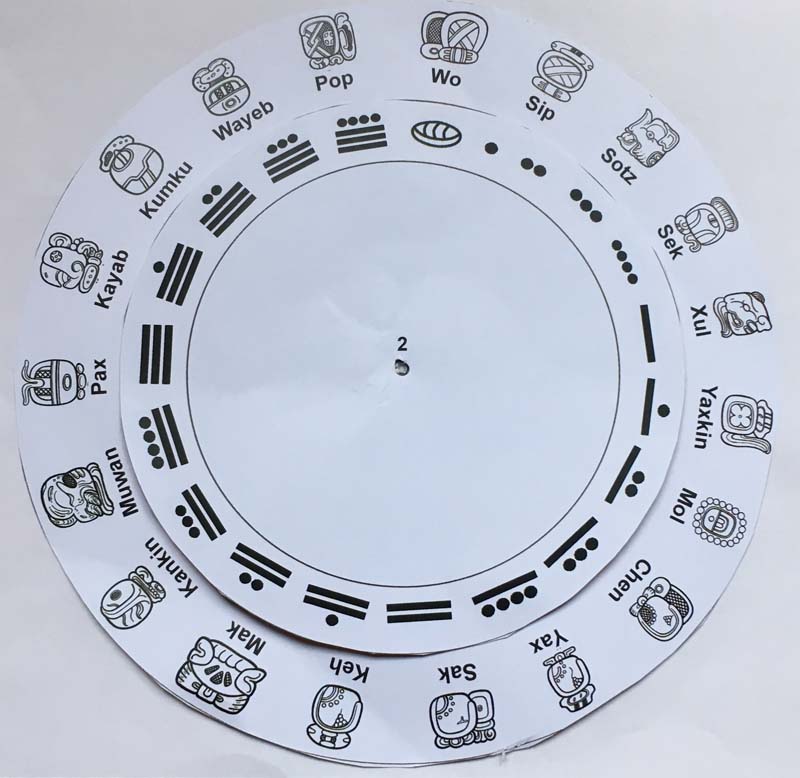
what is a mayan calendar. The mayan calendar is an ancient dating system consisting of three separate calendars. The maya solar calendar, called haab, is a count of 365 days and thus approximates the solar year.
Maya Calendars How Did The Maya Count Time? from www.thecollector.com
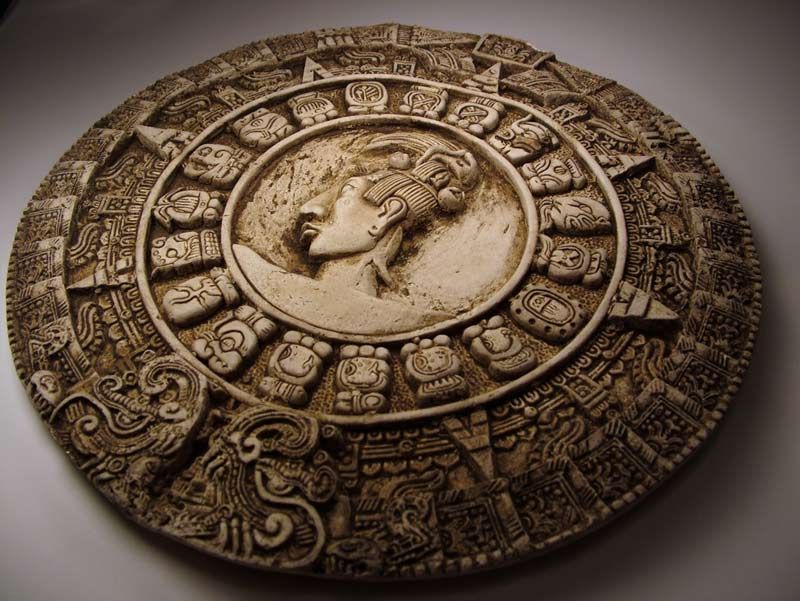
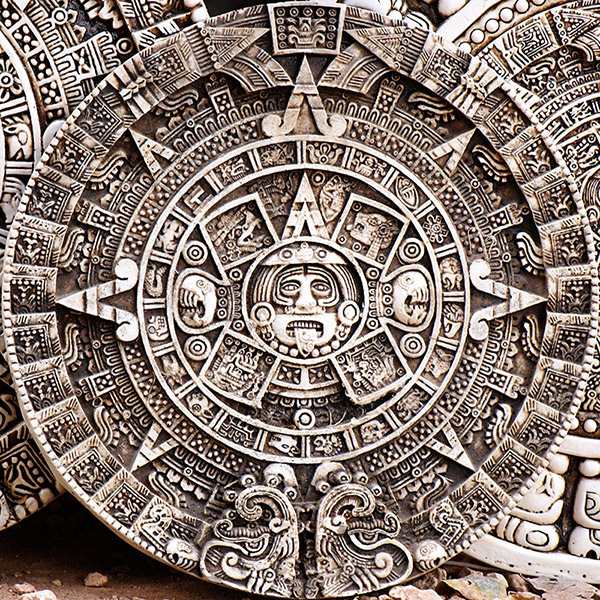
what is a mayan calendar What we call the mayan calendar is actually a set of three interlocking calendars, the sacred calendar of 260 days called the tzolkin, the solar calendar of 365 days known as the haab, and a long count. Mesoamerican civilizations, such as the mayan civilization, used the calendar in central america. The mayan calendar consists of three separate corresponding calendars:
Mesoamerican Civilizations, Such As The Mayan Civilization, Used The Calendar In Central America.
In this article, i will explain how the maya calendar was made, how it works and how to read it as well as a maya calendar conversion calculator. The maya solar calendar, called haab, is a count of 365 days and thus approximates the solar year. What we call the mayan calendar is actually a set of three interlocking calendars, the sacred calendar of 260 days called the tzolkin, the solar calendar of 365 days known as the haab, and a long count.
The Long Count, The Tzolkin (Divine Calendar), And The Haab (Civil Calendar).
Each of them is cyclical, meaning that a certain. The mayan calendar is an ancient dating system consisting of three separate calendars. The word “haab” means “year” in the yucatec mayan.
The Ancient Maya Had A Fascination With Cycles Of Time.
The mayan calendar consists of three separate corresponding calendars: Mayan calendar, dating system of the ancient mayan civilization and the basis for all other calendars used by mesoamerican civilizations. Using their knowledge of astronomy and mathematics, the ancient maya developed one of the most accurate calendar systems in human history.